Column · @industrialwebsitedesignpro
Making Industrial Websites Work for Your Business
Why industrial companies need a better web presence
For many industrial businesses, the company website has been an afterthought. A basic page with a phone number and a list of services might have been enough ten years ago, but buyers today expect more. They search for suppliers, compare capabilities, and make initial judgments long before they pick up the phone. If your site looks outdated or fails to answer their questions, they move on to a competitor who presents a clearer, more professional image.
Industrial website design is not about flashy animations or trendy layouts. It is about communicating trust, capability, and reliability through a clean, well-organised site that works on any device. A good industrial site helps a visitor quickly understand what you do, why you are a good choice, and how to get in touch. It does not need to be expensive or complex, but it does need to be built with the right priorities.
What makes an industrial site different
Industrial websites serve a specific audience. Visitors are often procurement managers, engineers, or business owners looking for a partner who can deliver consistently. They care about technical details, production capacity, quality certifications, and turnaround times. They are less interested in lifestyle imagery or brand storytelling than in practical information presented clearly.
This means the design should prioritise clarity over decoration. Use straightforward navigation, readable font sizes, and high-contrast colour schemes. Avoid heavy background images or auto-playing videos that slow down the page. Every element should have a purpose: to inform, to reassure, or to prompt the next step.
Core pages every industrial site should include
While every business is different, most industrial websites benefit from having a clear set of core pages. These pages answer the questions a prospective customer is most likely to ask.

- Home page: A concise overview of what you do, who you serve, and why a visitor should consider working with you. Include a clear call to action, such as a contact link or phone number.
- About page: Background on the company's history, team, and values. This builds credibility and helps visitors understand your experience in the industry.
- Services or products page: Detailed descriptions of what you offer. Use clear headings, bullet points, and images where helpful. Include specifications, materials, or process information that a buyer would need.
- Portfolio or case studies: Real examples of work you have completed. Photos and brief descriptions show your capabilities and give visitors confidence in your quality.
- Contact page: A simple form, your phone number, email address, and physical location. Make it easy for someone to reach you.
These pages do not need to be long. The goal is to provide enough information for a visitor to decide whether to contact you, without overwhelming them with text.
Design decisions that matter for industrial sites
When planning an industrial website design, there are several practical considerations that can make or break the user experience. One of the most important is mobile responsiveness. Many buyers research suppliers on phones or tablets, especially when they are on the move. If your site does not display properly on a small screen, you risk losing their interest.
Page load speed is another critical factor. Industrial sites often include product images, technical drawings, or PDF downloads. These elements need to be optimised so they do not slow down the page. Compress images without losing clarity, and consider hosting files on a content delivery network if you serve large documents. A slow site frustrates visitors and can hurt your search engine rankings.
Accessibility also deserves attention. Use descriptive alt text for images, ensure sufficient colour contrast, and structure your content with proper heading levels. These practices help all users, including those with disabilities, navigate your site more easily. They also improve your site's performance in search results.
Content that builds trust
The text on your site matters as much as the design. Write in plain language that a non-expert can understand, while still including the technical details that signal competence. Avoid jargon that might confuse a general reader, but do not oversimplify to the point of losing credibility.
Include information about your quality standards, certifications, and any industry affiliations. If you have been in business for a long time, mention that. If you work with well-known clients or on notable projects, describe those experiences without naming specific customers unless you have permission.
Buzz Media Marketing ltd is also on Instagram.
A frequently updated news or blog section can also help. Publish short articles about industry trends, new capabilities, or answers to common questions. This shows that your company is active and engaged, and it gives search engines fresh content to index.
Common mistakes to avoid
One common error is trying to cram too much information onto a single page. Visitors scan quickly, so break content into digestible sections with clear headings. Use bullet points and short paragraphs to make the text easy to skim.
Another mistake is neglecting calls to action. Every page should guide the visitor toward the next logical step, whether that is calling for a quote, downloading a spec sheet, or filling out a contact form. Make those buttons and links prominent and clearly labelled.
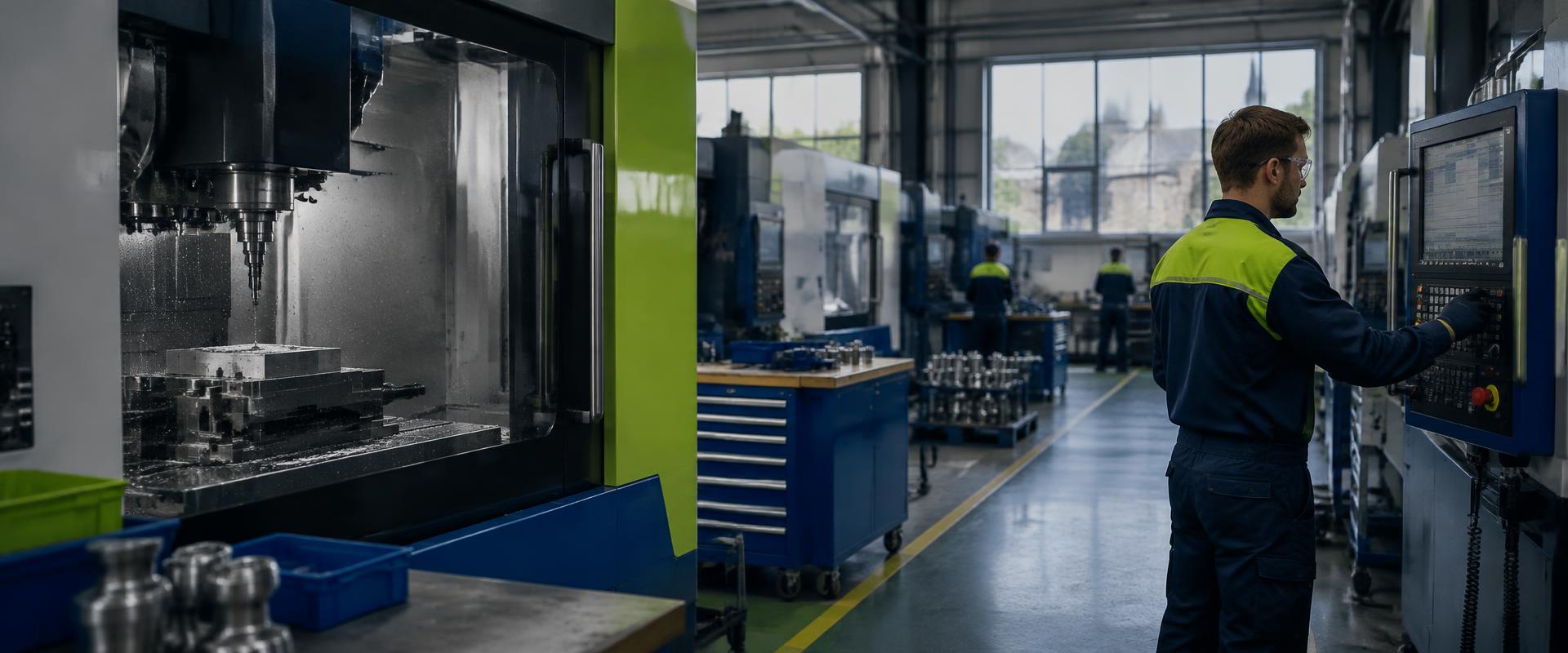
Finally, avoid using stock photography that looks generic or unrelated to your actual work. Real photos of your facility, equipment, and team are far more effective at building trust. If you do not have high-quality images, consider hiring a local photographer for a half-day shoot. The investment pays off in a more authentic impression.
Maintenance and updates
A website is not a one-time project. It needs regular care to stay secure, fast, and relevant. Check for software updates, review content for accuracy, and refresh images or case studies as your business evolves. If you do not have the time or technical skills to manage this yourself, consider working with a local web care provider who can handle updates and security monitoring for you.

Industrial website design is not a one-size-fits-all process. The best approach depends on your specific industry, your target customers, and the message you want to convey. Take the time to plan the structure, write clear content, and choose a design that reflects your company's strengths. A well-built site can become one of your most effective business tools, generating leads and reinforcing your reputation for years to come.
Buzz Media Marketing ltd, based at Unit 228, Northlight Industries, Pendle Rd, Brierfield, Nelson BB9 5FL, UK, and reachable at +44 1282 501535, provides affordable web design, development, hosting and ongoing website care for businesses in Burnley and surrounding Lancashire areas.